Latest revision · v0.3.1
L1
Bitcoin, explained: the rules in its code and who can change them
A plain guide to how Bitcoin works, what fixes its supply, how its rules change, and how US investors reach it through exchange-traded products.
Le Coin / Learning Hub
Plain-English explainers on how blockchains, stablecoins and crypto infrastructure work. Sourced line by line, versioned, free as PDF.
01 Mechanics only. No prices.
02 Every claim sourced.
03 Versioned with a changelog.
L1
A plain guide to how Bitcoin works, what fixes its supply, how its rules change, and how US investors reach it through exchange-traded products.
Tokenization and RWA
What the products sold as tokenized Treasuries are, how three of them are built, and what their own documents say about control, access and risk.
Stablecoins
Tether says each USDT is redeemable for one dollar, and BDO checked its reserves as of June 30, 2026, but only verified customers can redeem.
Wallets & custody
A plain guide to how crypto keys are made and stored, the difference between holding them yourself and using a custodian, and the US rules for custodians, including one that is still only a proposal.
DeFi lending
A plain guide to how Aave v3 measures the safety of a loan, when a position can be liquidated and by how much, and which risk settings its governance controls.
L2
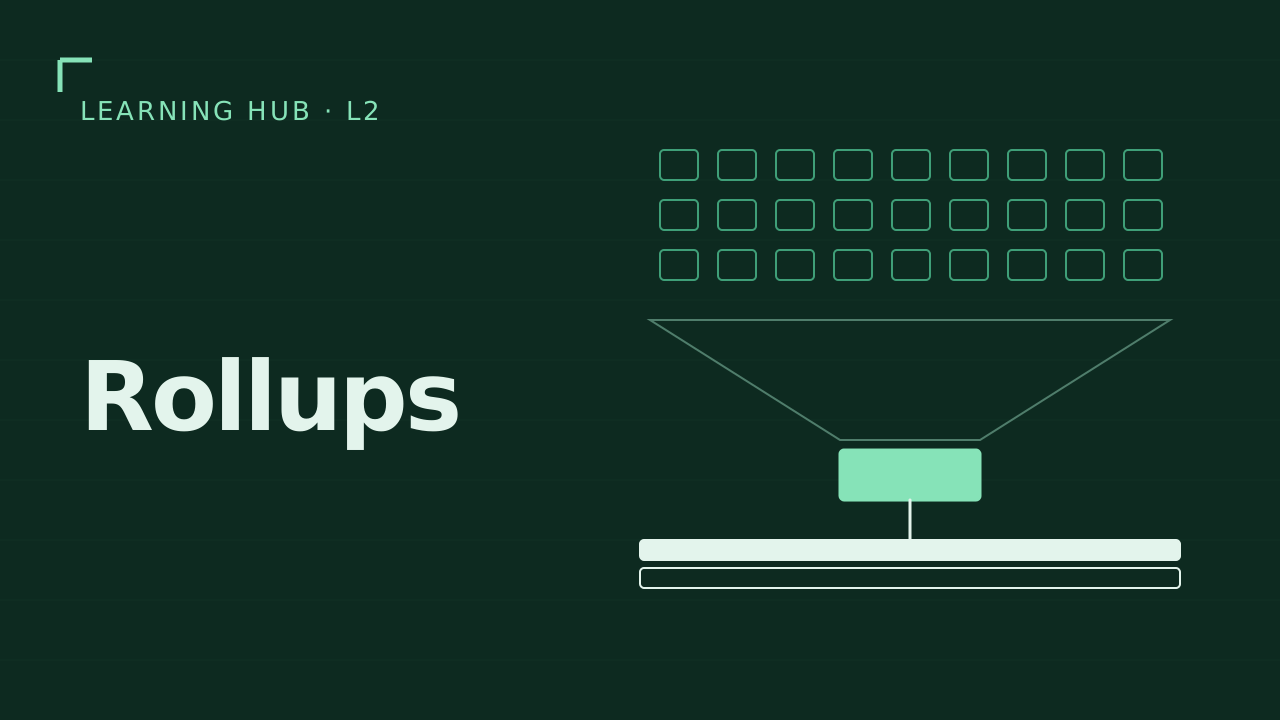
A plain guide to what a rollup is, how it posts data to Ethereum, how withdrawals are challenged, and how Base sets its own withdrawal window.
L1
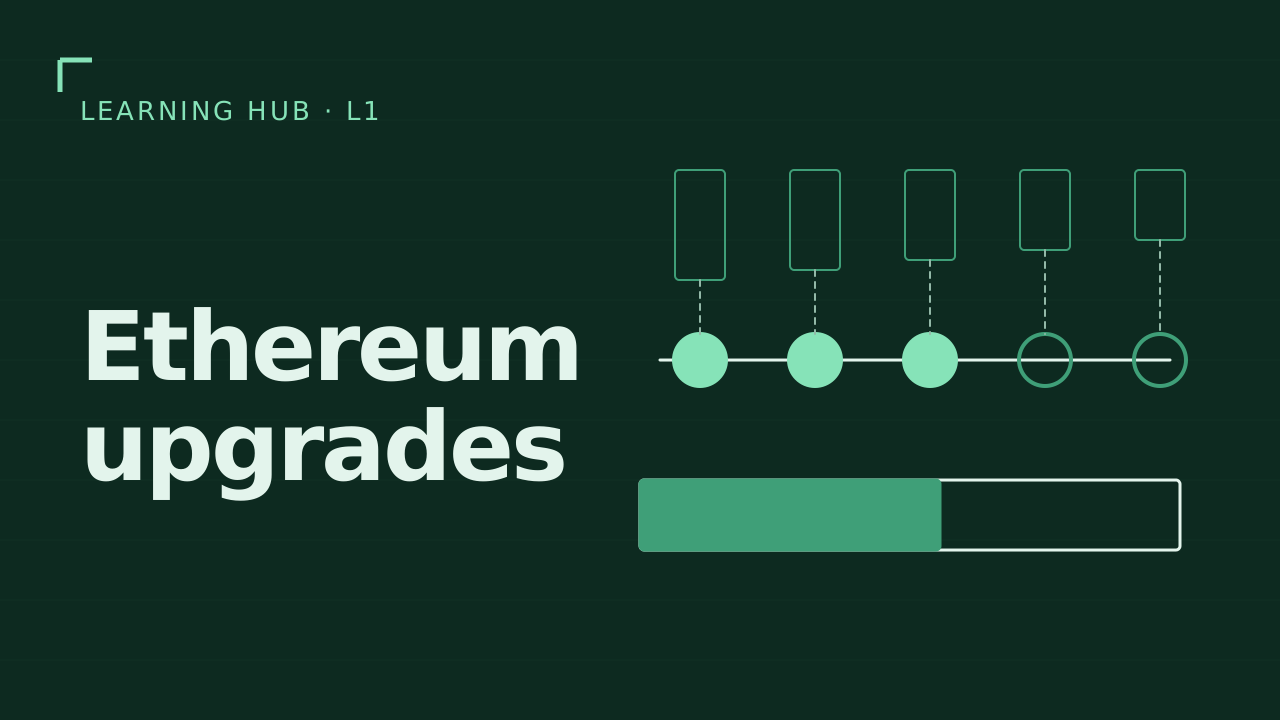
Changes to Ethereum start as written proposals called EIPs, move through review and client testing, and take effect for everyone at once in a scheduled hard fork.
DEX and perps
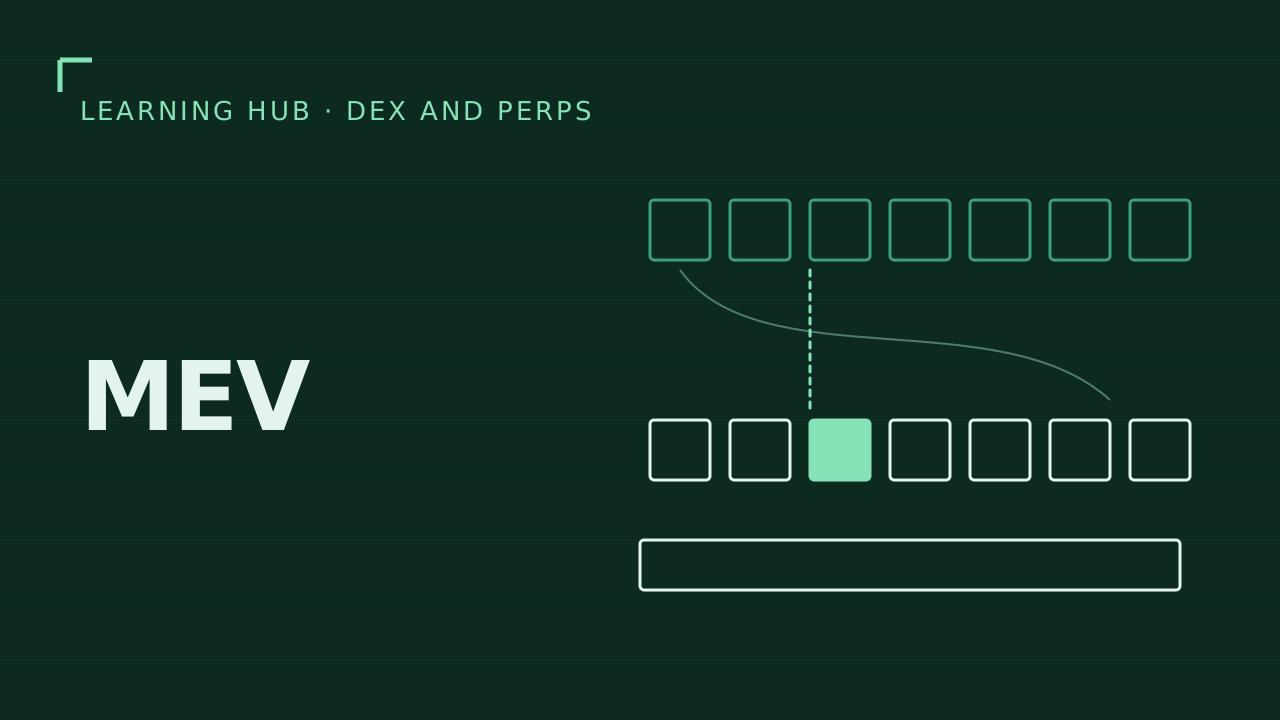
Whoever orders the transactions in an Ethereum block can capture extra value, which searchers find, builders package, validators mostly collect and some users now get back.
Stablecoins
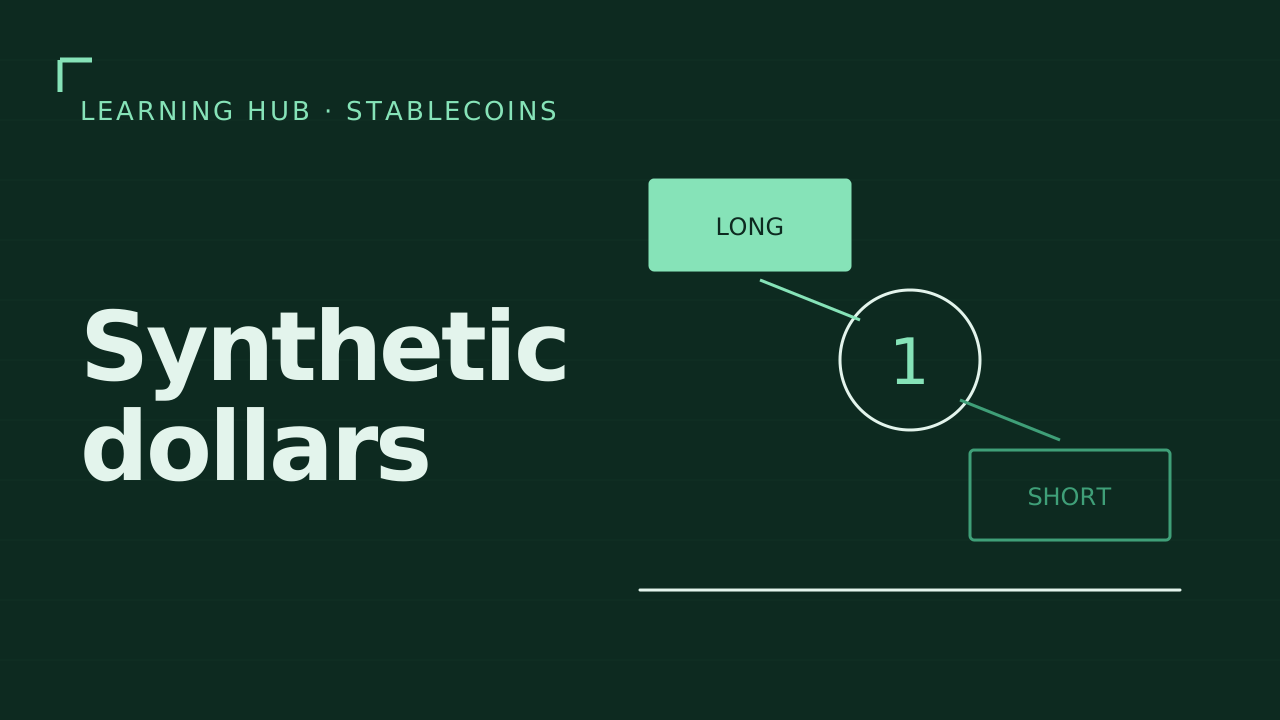
How Ethena says its synthetic dollar holds its value, where the backing sits, and the risks Ethena itself lists.
Staking
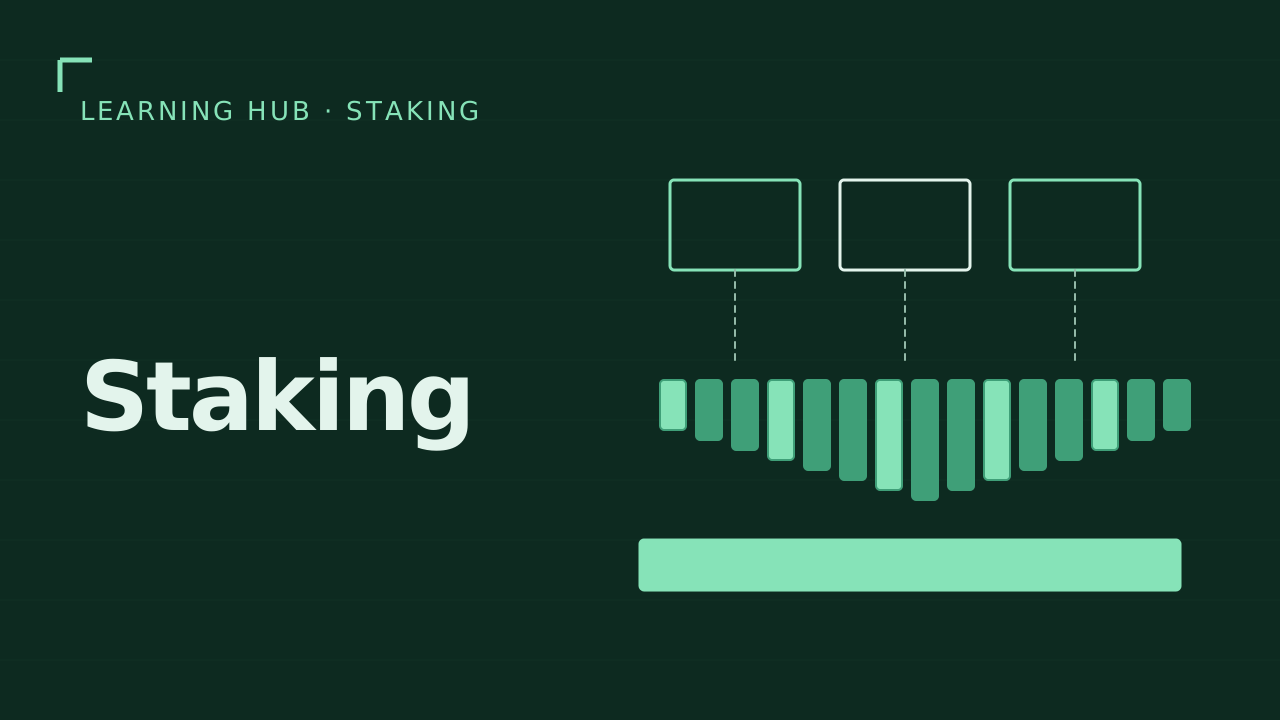
A plain guide to how Ethereum staking works under its consensus rules, what a validator earns and risks, and how Lido and Rocket Pool let people stake without running 32 ETH alone.
DEX and perps
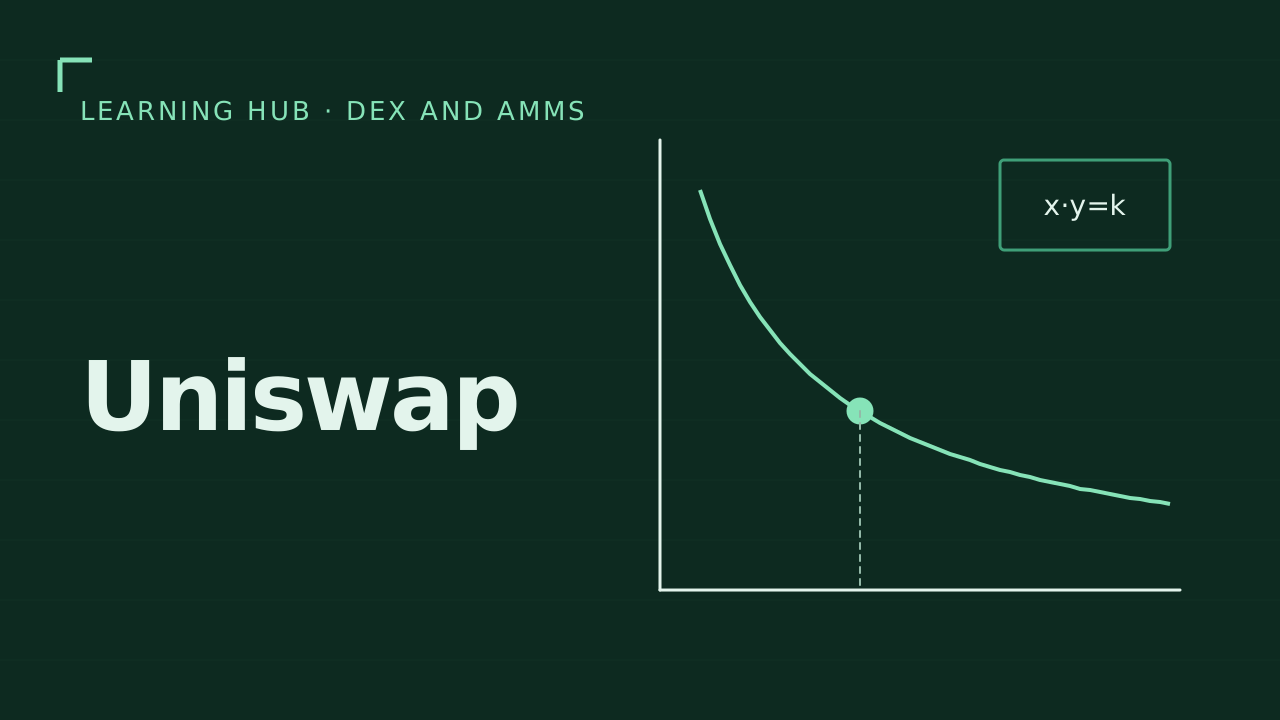
A plain guide to automated market makers, how Uniswap's pools price trades from v2 to v4, and what liquidity providers risk when prices move.
Prediction markets
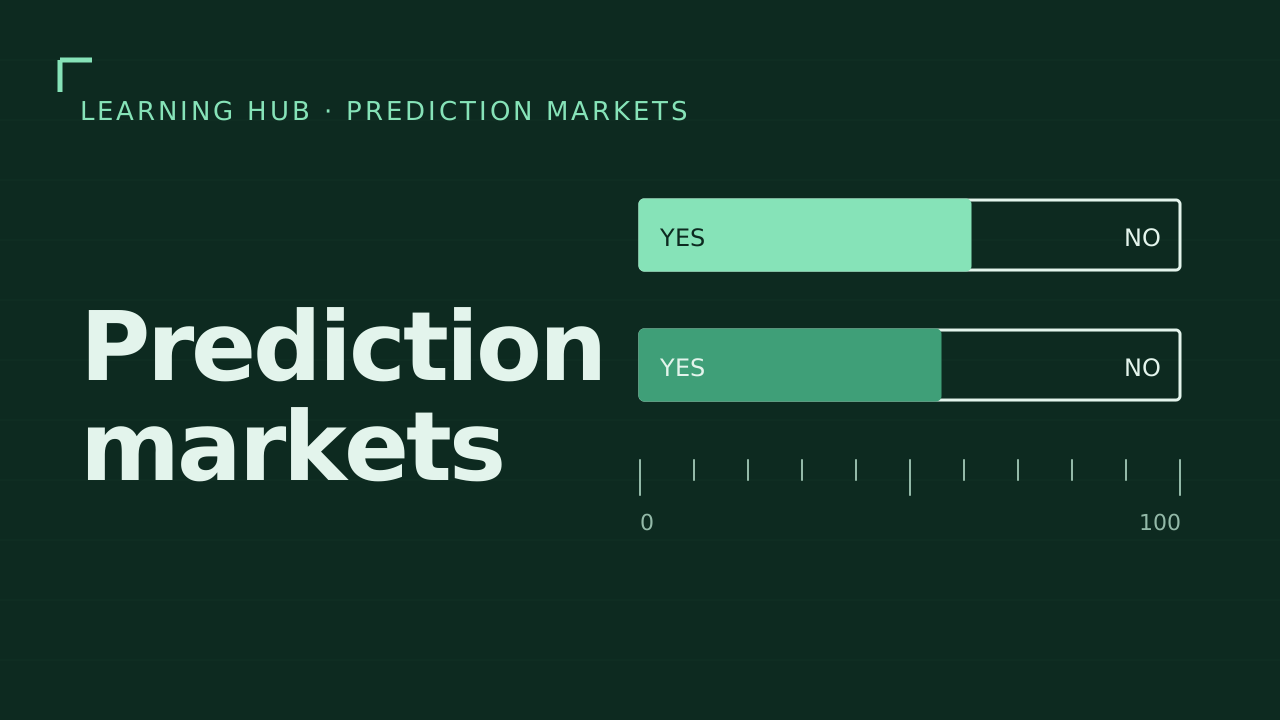
Both sell contracts that pay a fixed amount if an event happens, but they differ on who records trades, who decides outcomes and how the CFTC oversees them.
L1
Ethereum is a public blockchain that runs smart contracts, which ethereum.org defines as programs that run on the Ethereum blockchain.
L2
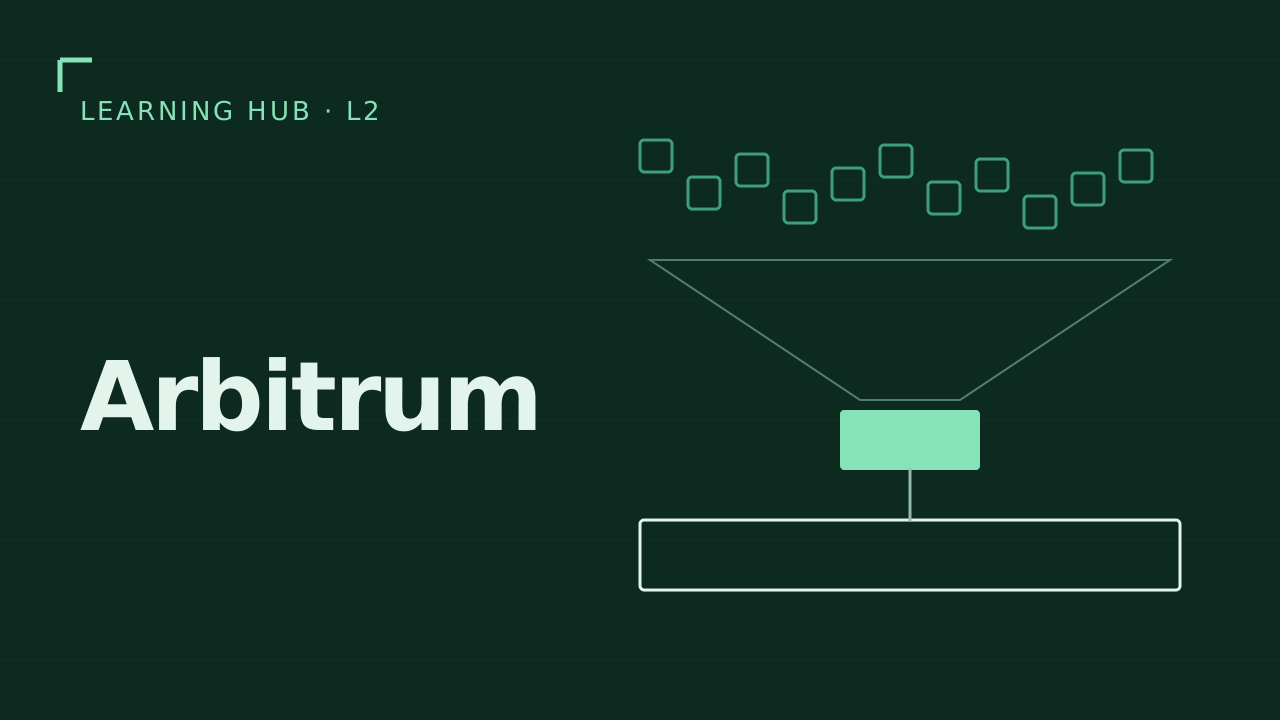
Robinhood Chain is an Ethereum layer-2 (L2) blockchain built by Robinhood Markets using Arbitrum technology.
Oracles
Chainlink is an oracle network: it brings outside information, such as asset prices or reserve data, onto blockchains, and moves messages and tokens between chains.
Bridges and interop
LayerZero is a messaging protocol that lets smart contracts on one blockchain send messages to contracts on another.
Stablecoins
USDC is a dollar token issued by Circle Internet Financial, LLC, and runs on many blockchains.
DEX and perps
Hyperliquid is a layer-one blockchain built around an onchain exchange.
DEX and perps
HIP-4 is the fourth Hyperliquid Improvement Proposal.
Restaking
EigenLayer is a set of smart contracts on Ethereum that lets people "restake" assets to secure other services.